

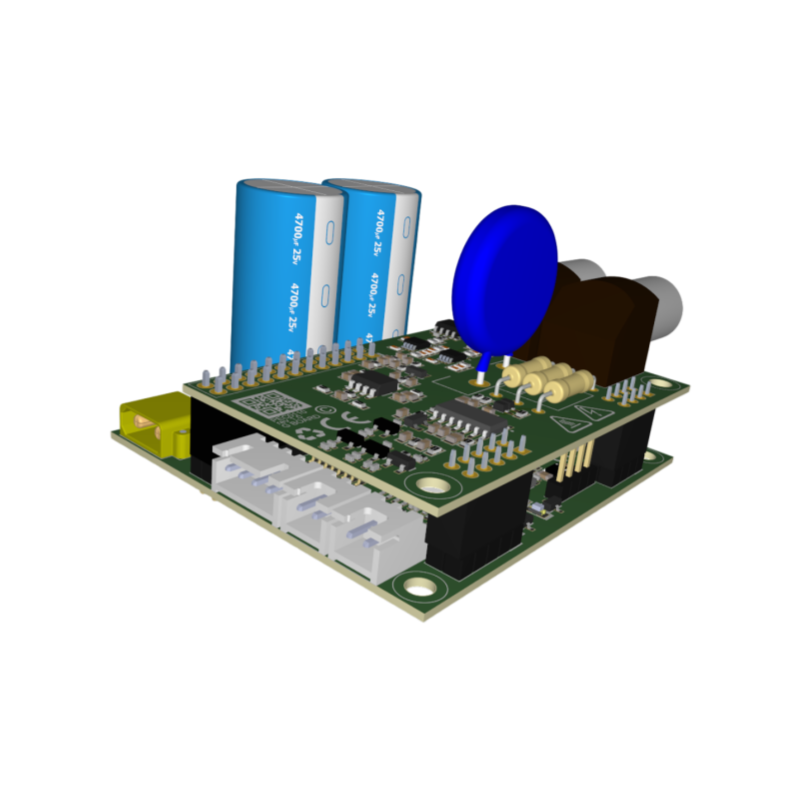
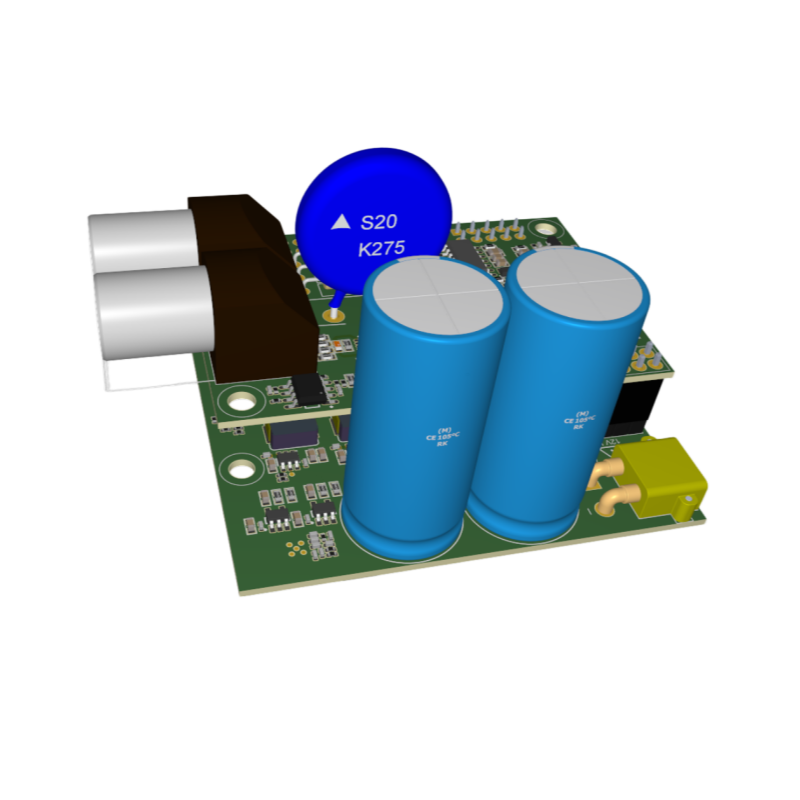
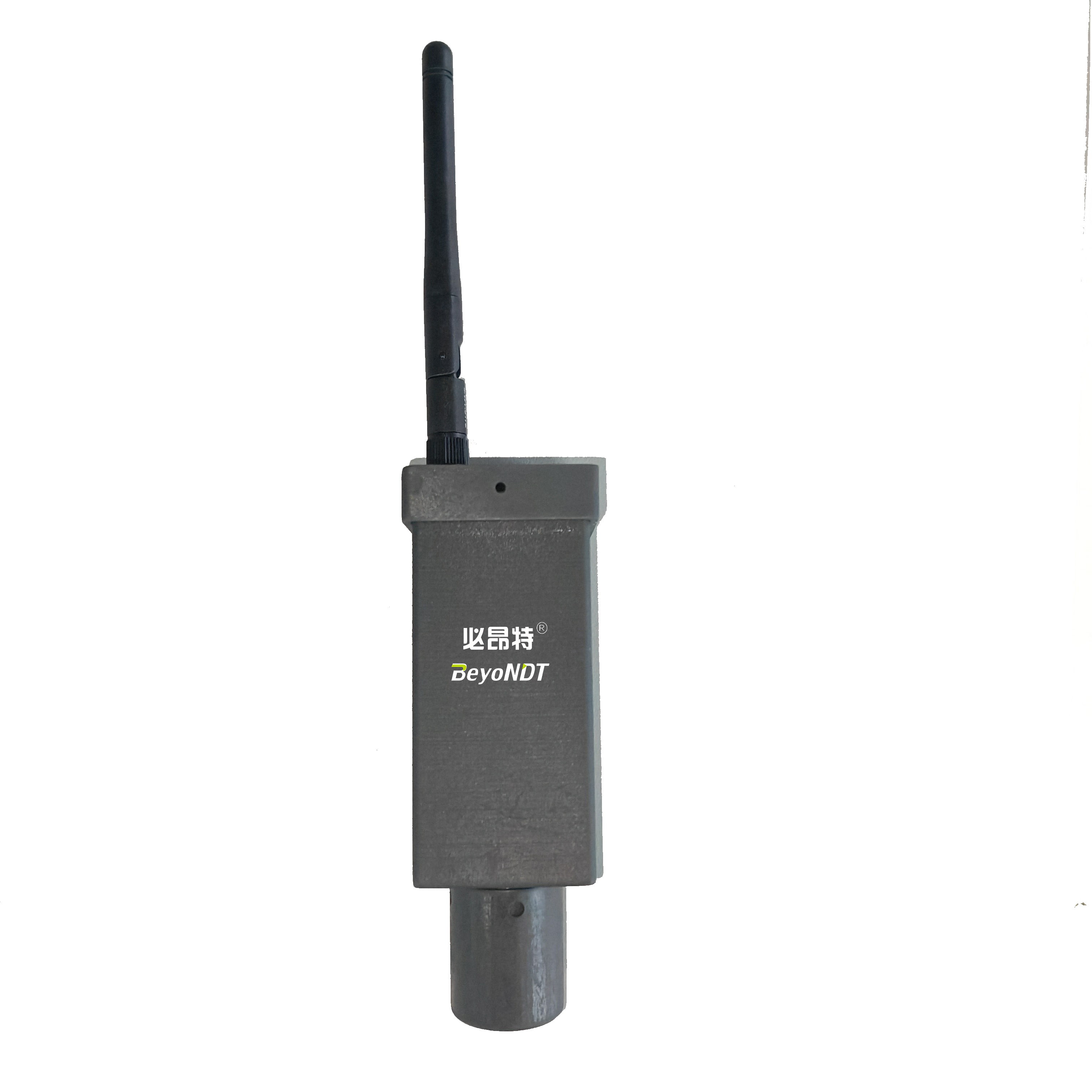
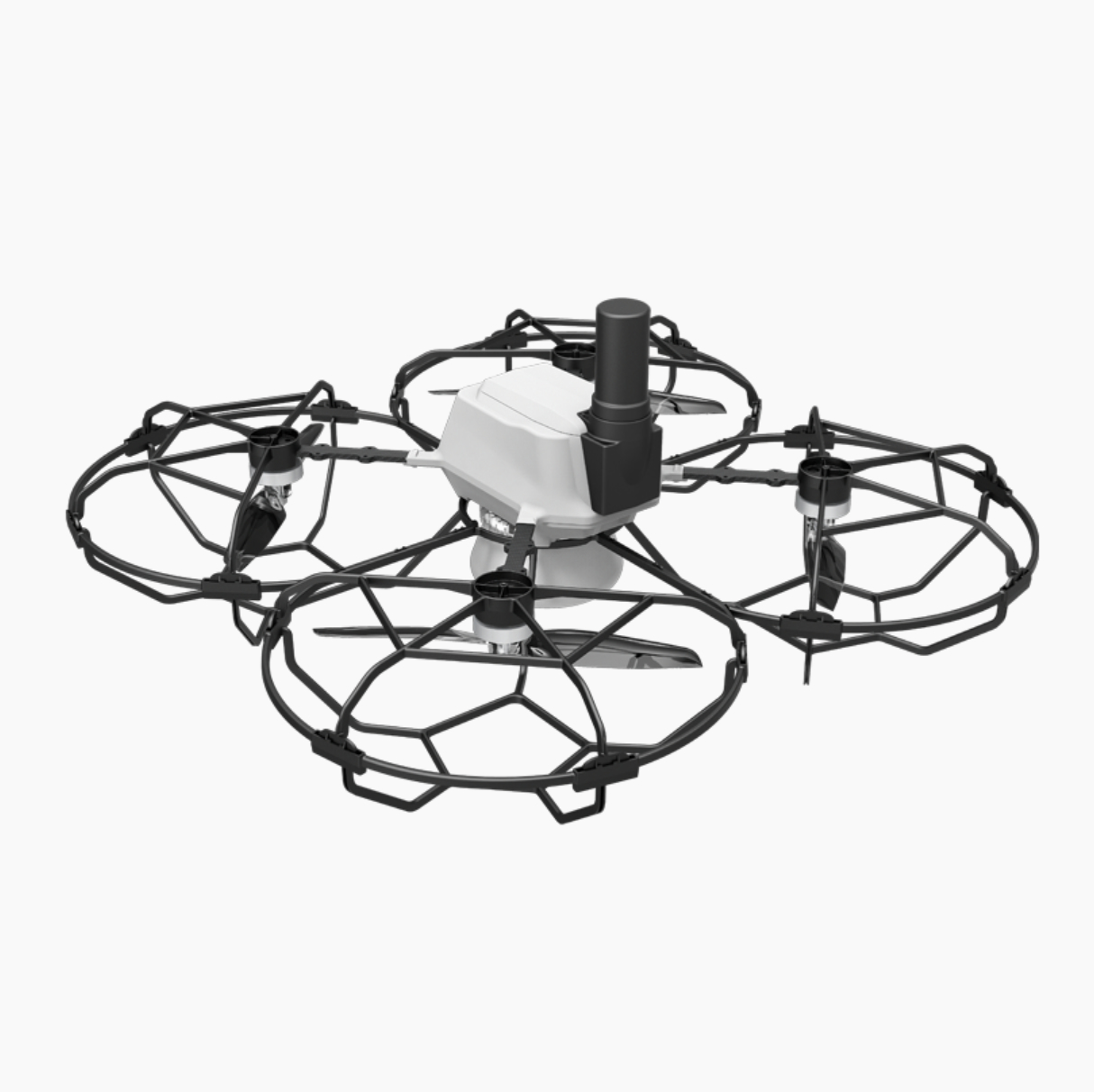
DT2022 Pulsed Eddy Current Module is an open-architecture module specially designed for aerial NDT (Non-Destructive Testing) in industrial applications. It supports secondary development and comes with host PC software. It utilizes the UDP communication protocol. It is typically used integrated into robotic systems, UAV (drone) platforms, and machine tool inspection systems.
貨號 :
2022訂單(最小起訂量) :
1支付 :
T/T產品產地 :
CHINA顏色 :
GREEN裝運港口 :
SHANGHAI交貨時間 :
30DAYS
|
Parameter Item
|
Specification
|
Description
|
|---|---|---|
|
Wall Thickness Measurement Range
|
≤ 30 mm
|
When insulation layer thickness is 200mm and there is a metal cladding on top, the detectable metal layer thickness is up to 30mm.
|
|
Cladding Penetration Capability
|
≤ 200 mm
|
Can penetrate non-magnetic materials such as insulation layers and foam.
|
|
Metal Cladding Penetration
|
≤ 1 mm
|
Can penetrate metal protective layers such as aluminum or iron sheeting.
|
|
Measurement Accuracy
|
Error ≤ 10%
|
Wall thickness measurement error range.
|
|
Resolution
|
5% (volume ratio)
|
Sensitivity for identifying corrosion defects.
|
|
Applicable Pipe Diameter
|
≥ 80 mm
|
Minimum detectable pipe diameter.
|
|
Operating Temperature
|
-150℃ ~ +600℃
|
Adaptable to high-temperature or low-temperature working conditions.
|
|
Stainless Steel Probe Dimensions
|
99mm x 70mm x 75mm
|
Relatively compact probe size.
|
|
Carbon Steel Probe Dimensions
|
140mm x 70mm x 65mm
|
Relatively compact probe size.
|
|
Battery Life
|
≥ 8 hours
|
Continuous operating time with built-in lithium battery.
|
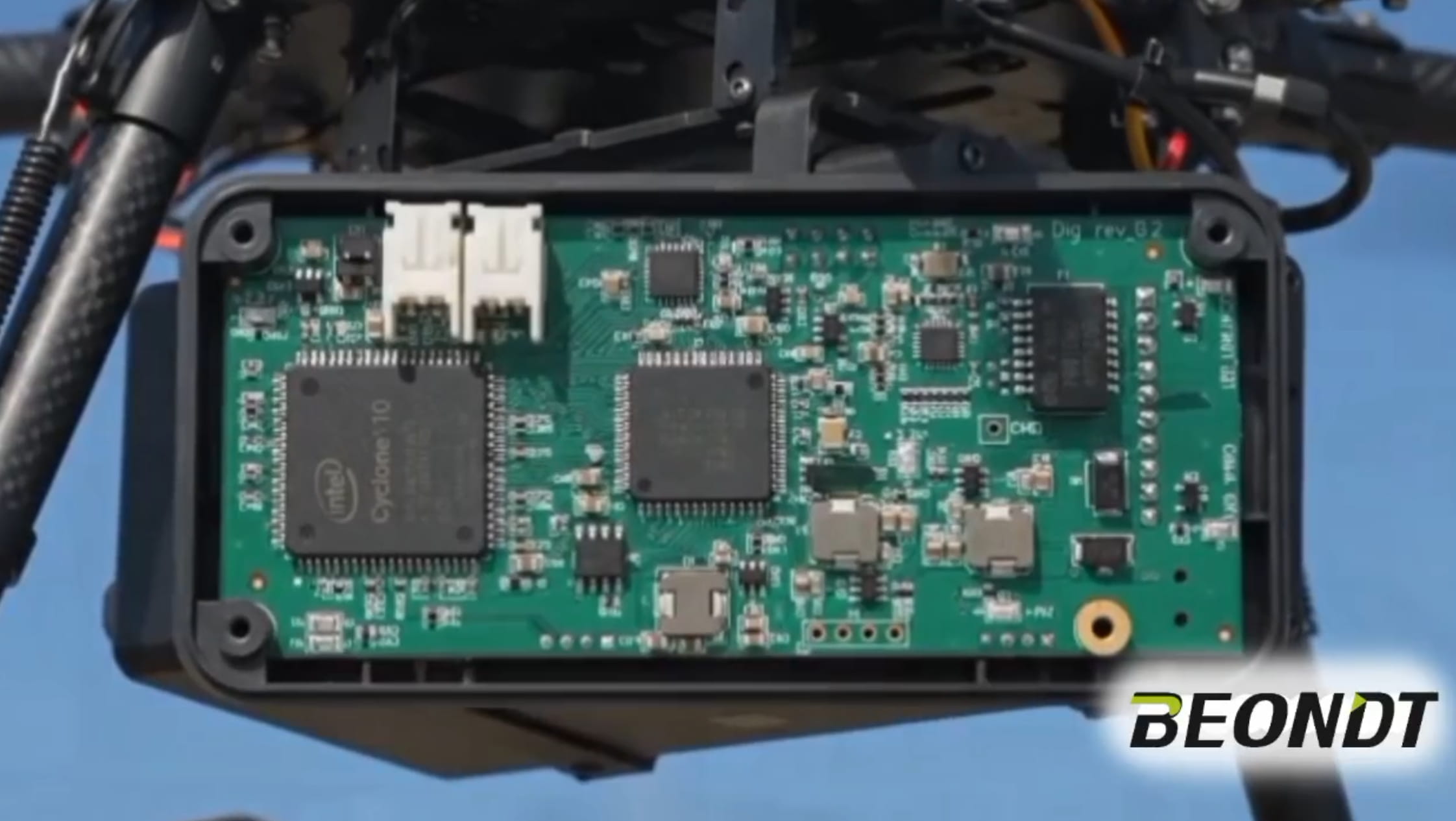
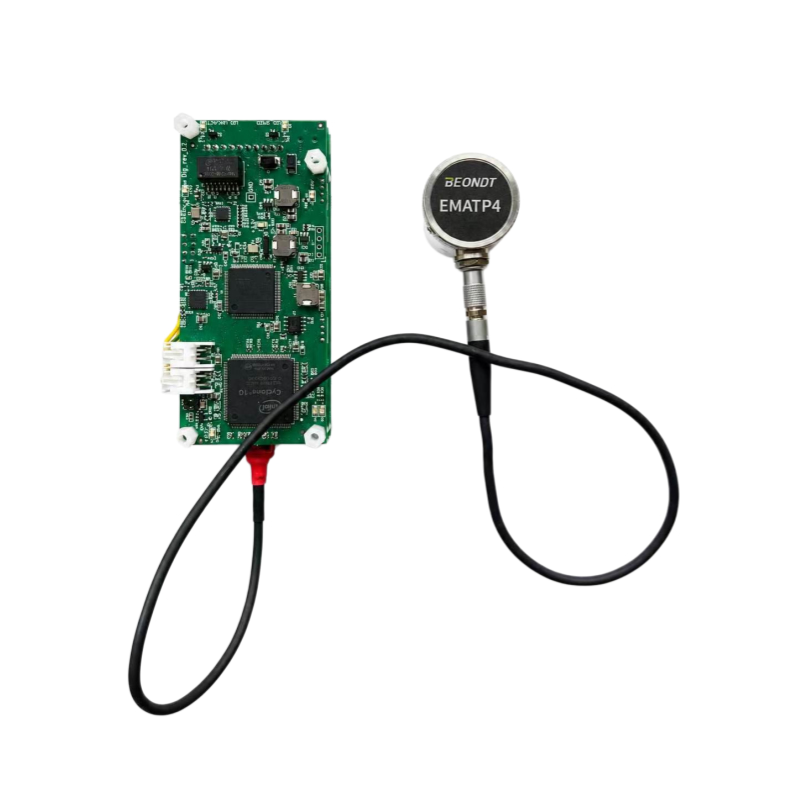
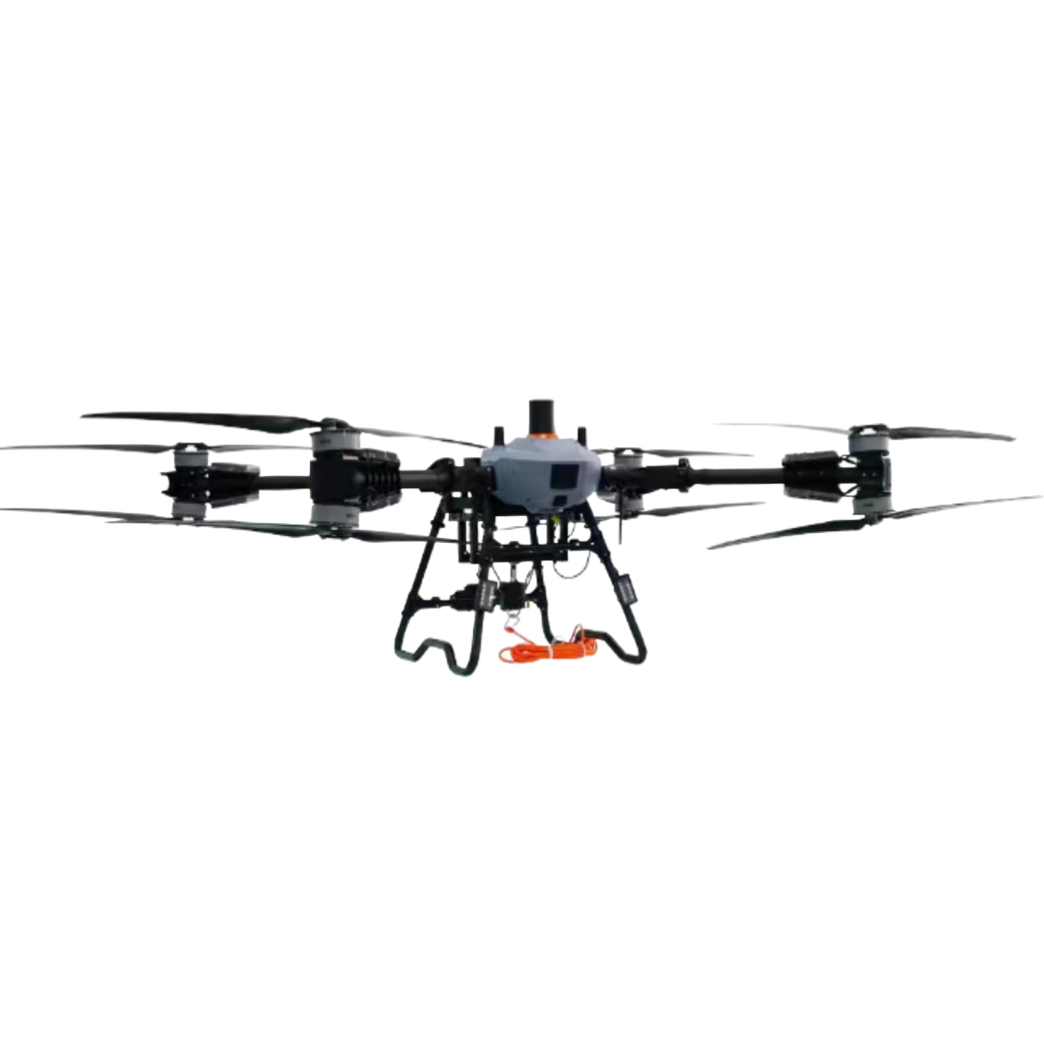
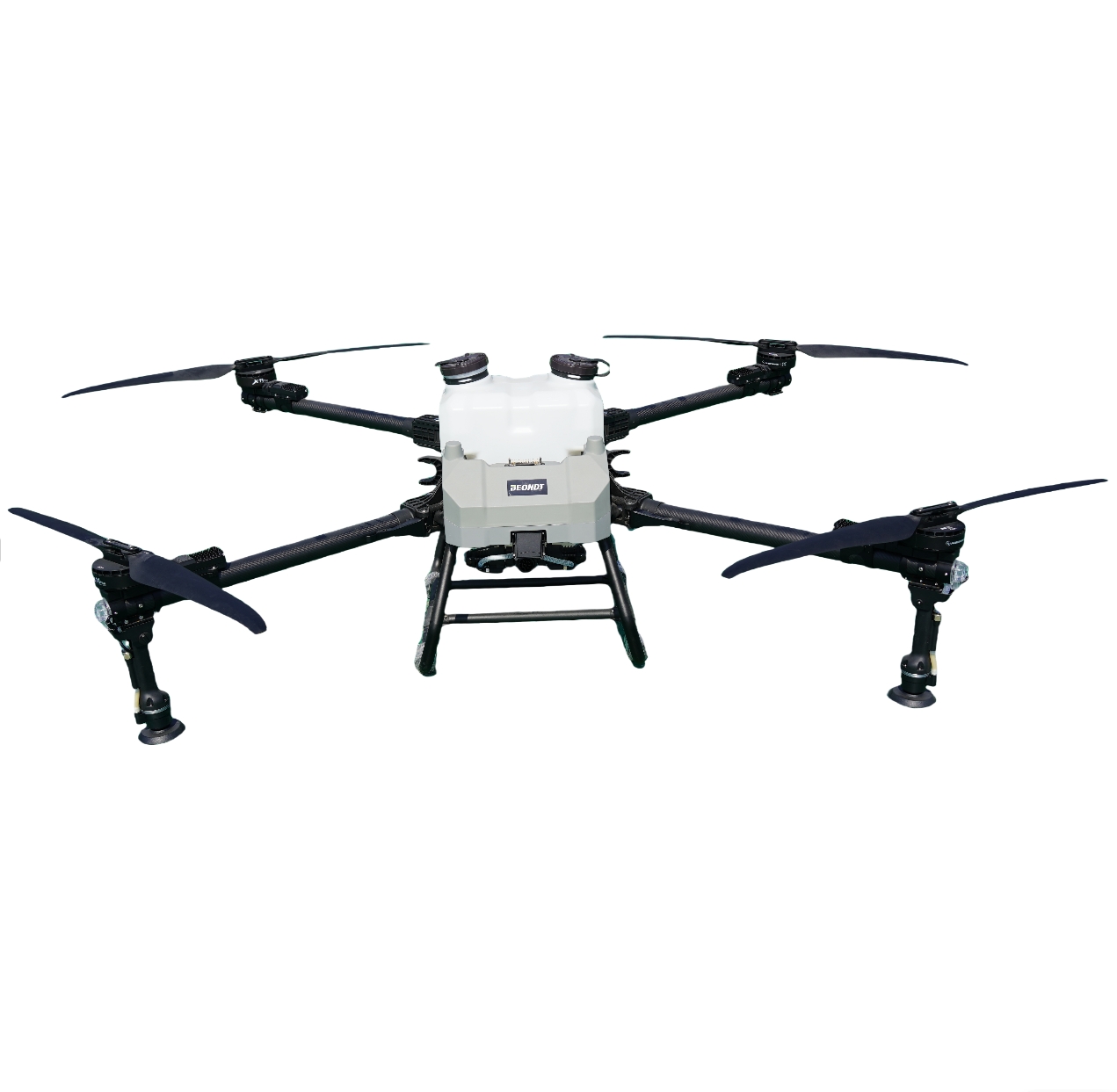
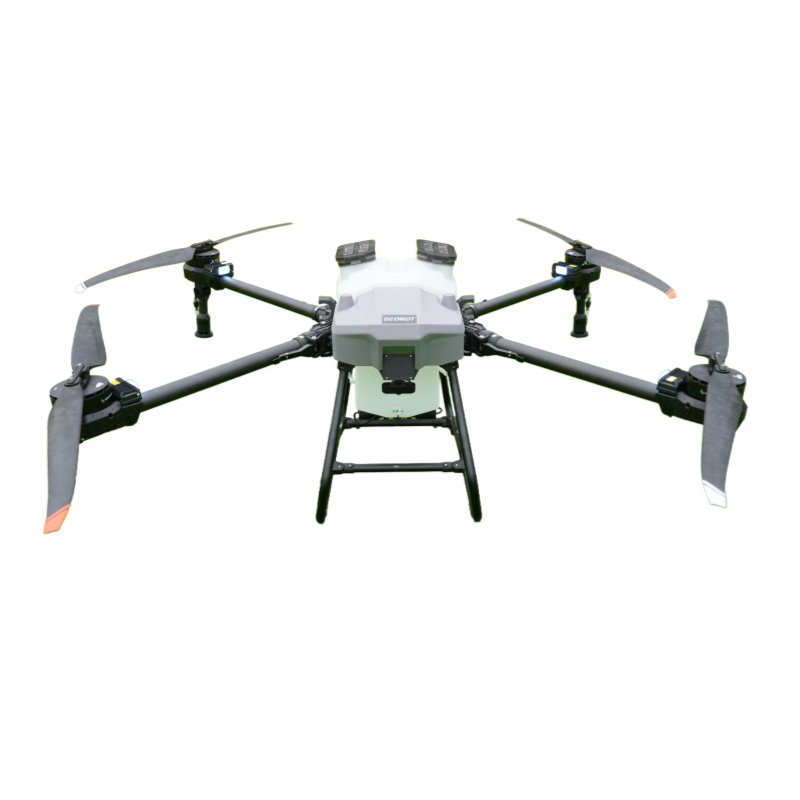
This EMAT module is mainly used to be mounted on carriers such as robots and drones to solve the challenges of aerial inspection.
細節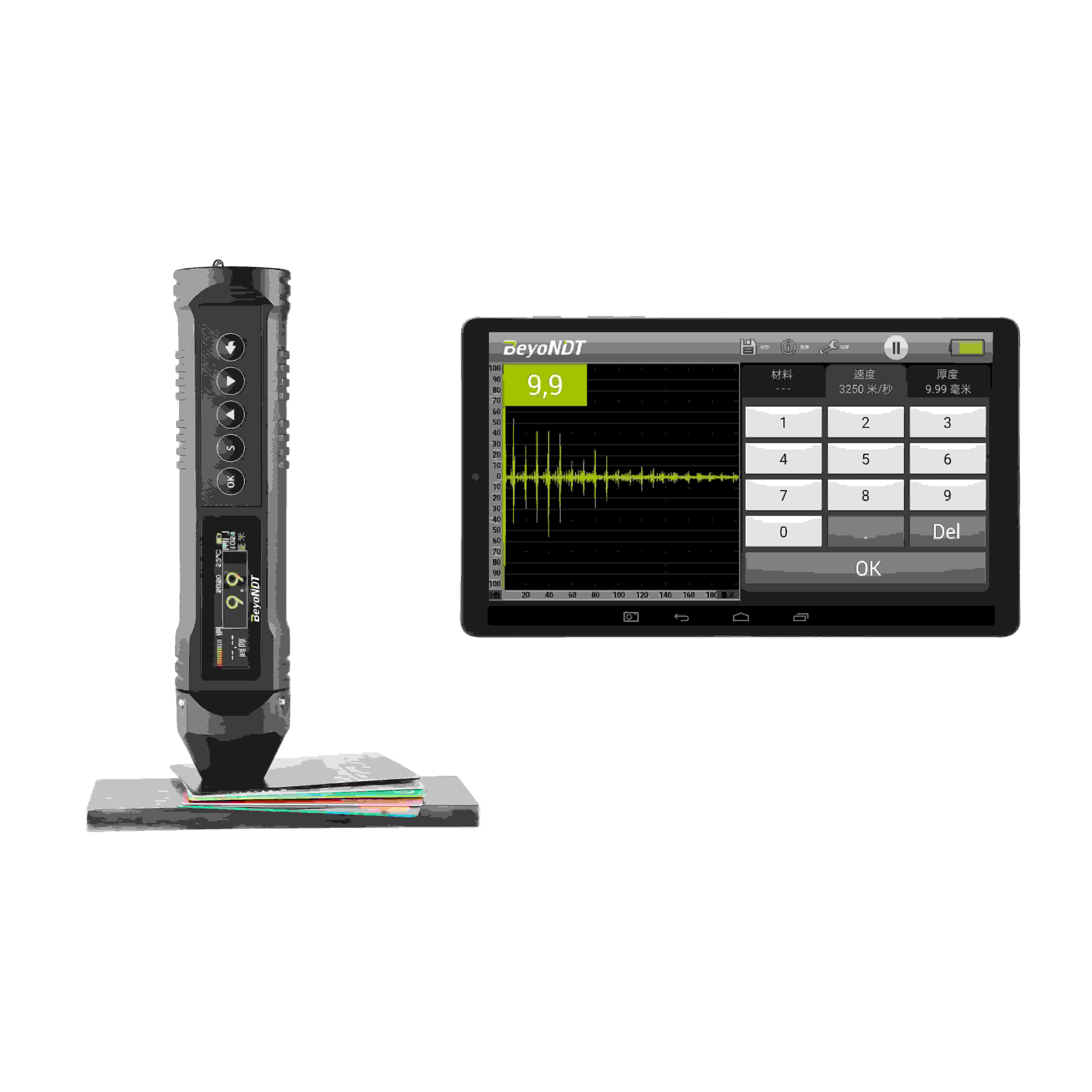

The EMA1900 EMAT thickness gauge is used for corrosion detection of metal materials such as storage tanks, metal plates, and oil and gas pipelines. It requires no coupling agent and does not need to grind the surface of the metal object; simply place the gauge on the object's surface to perform the measurement. This saves manpower, material resources, and financial resources while ensuring safety.
細節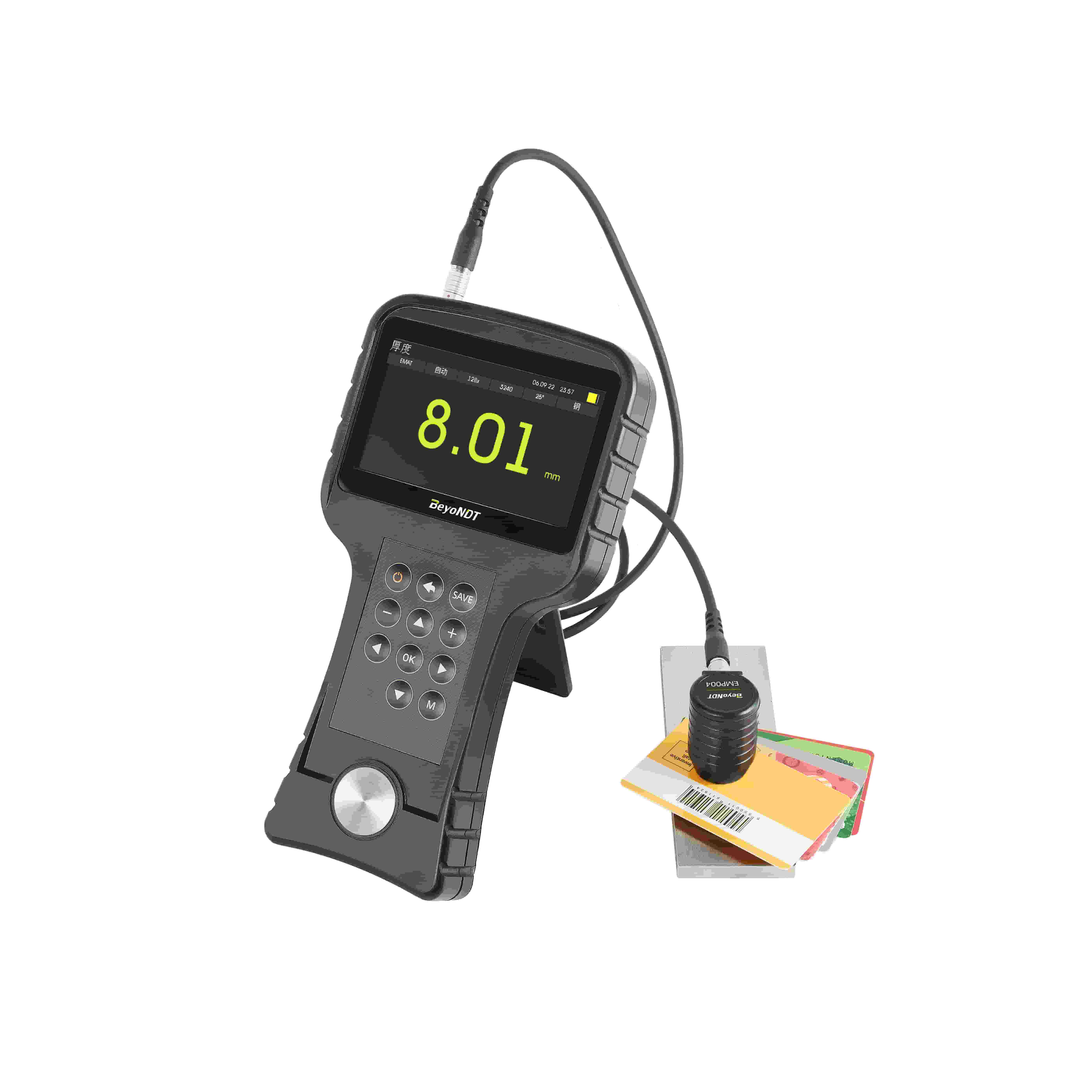
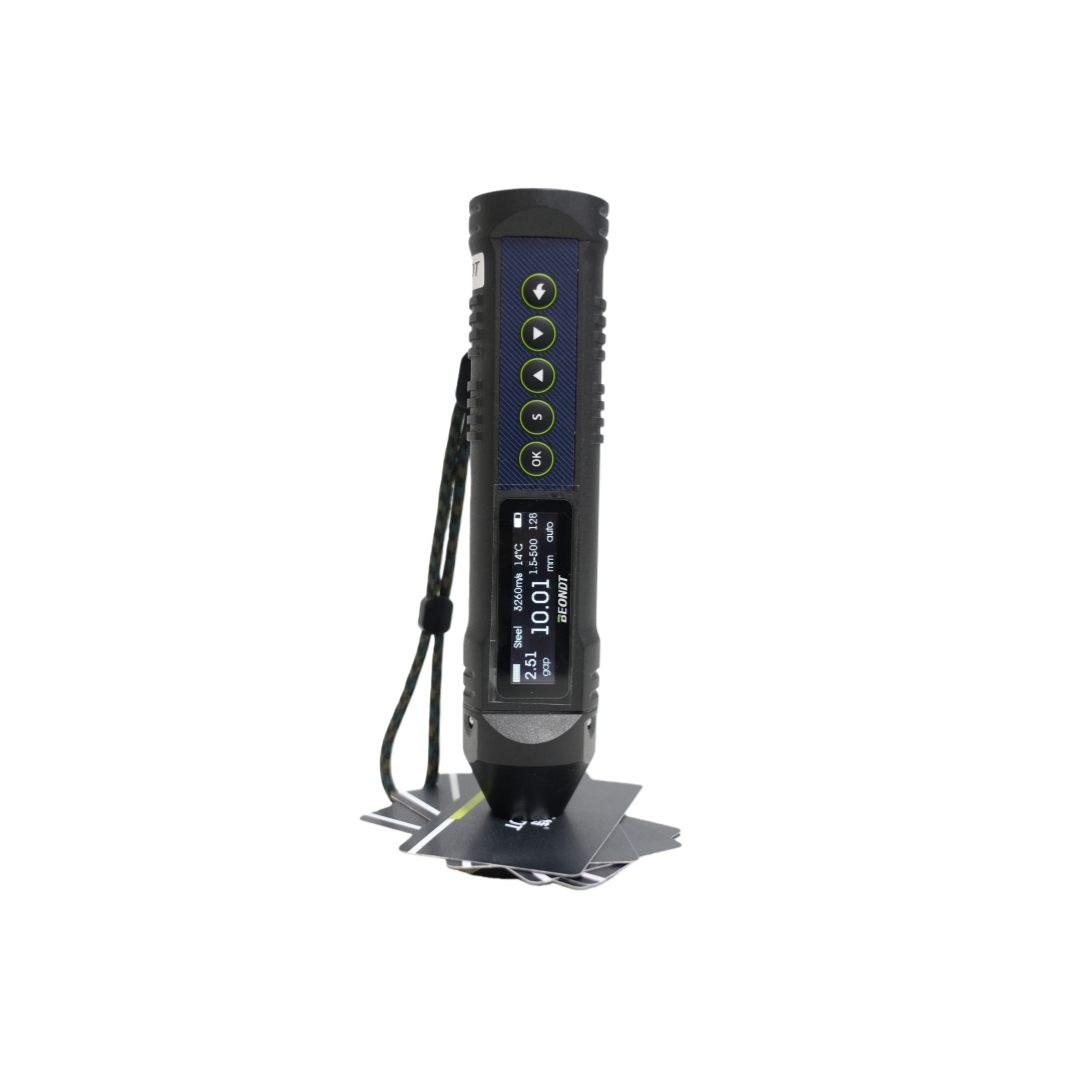
M1 超音波線上腐蝕監測系統是一種非浸入式監測系統。 。由於採用電磁聲換能器無損檢測方法,測量時探頭和金屬零件可提升4mm,因此無需清洗工件,對工件本身無損傷。此外,系統還可以同時監測塗層厚度的變化,幫助使用者更好地評估物體的腐蝕狀況和剩餘使用壽命。
細節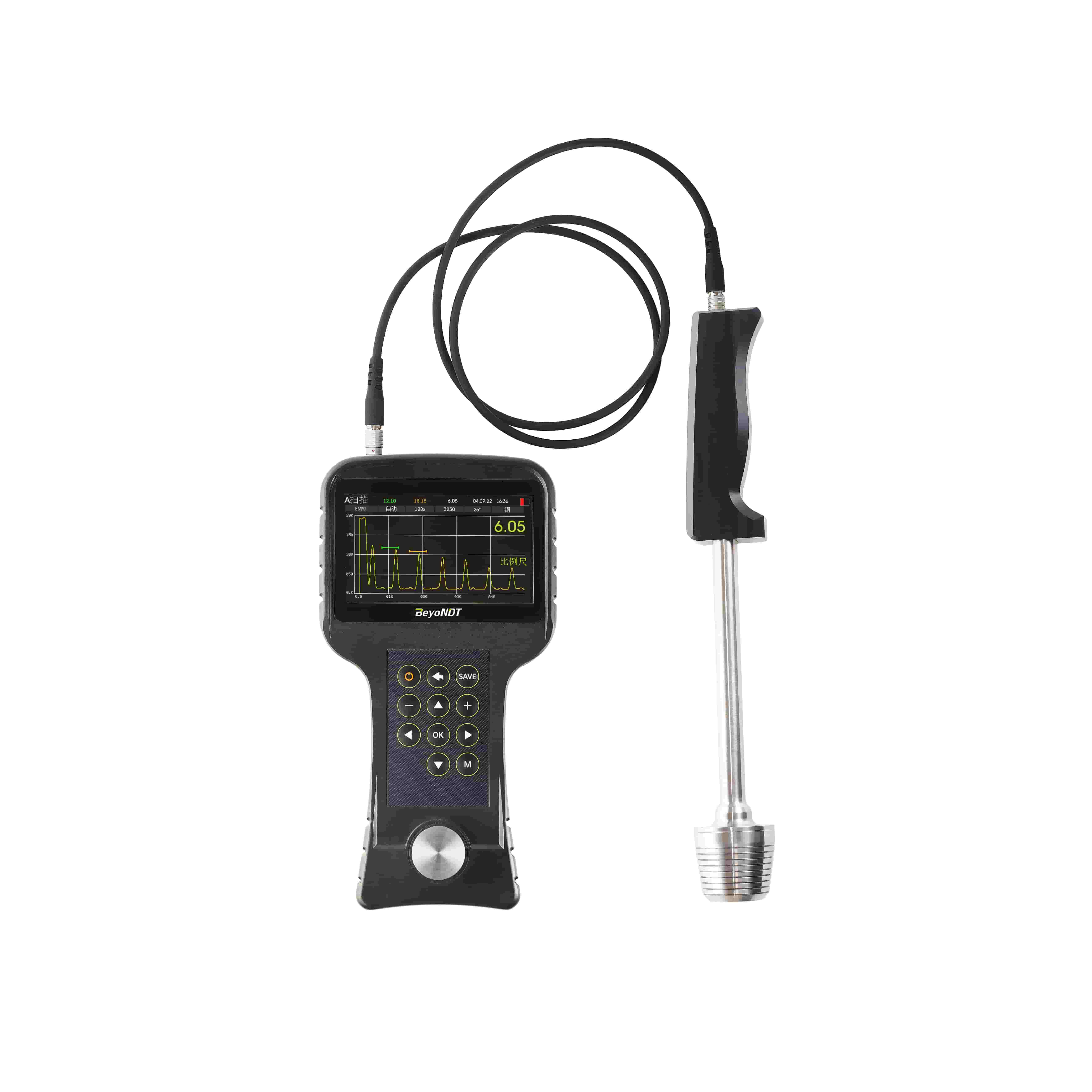
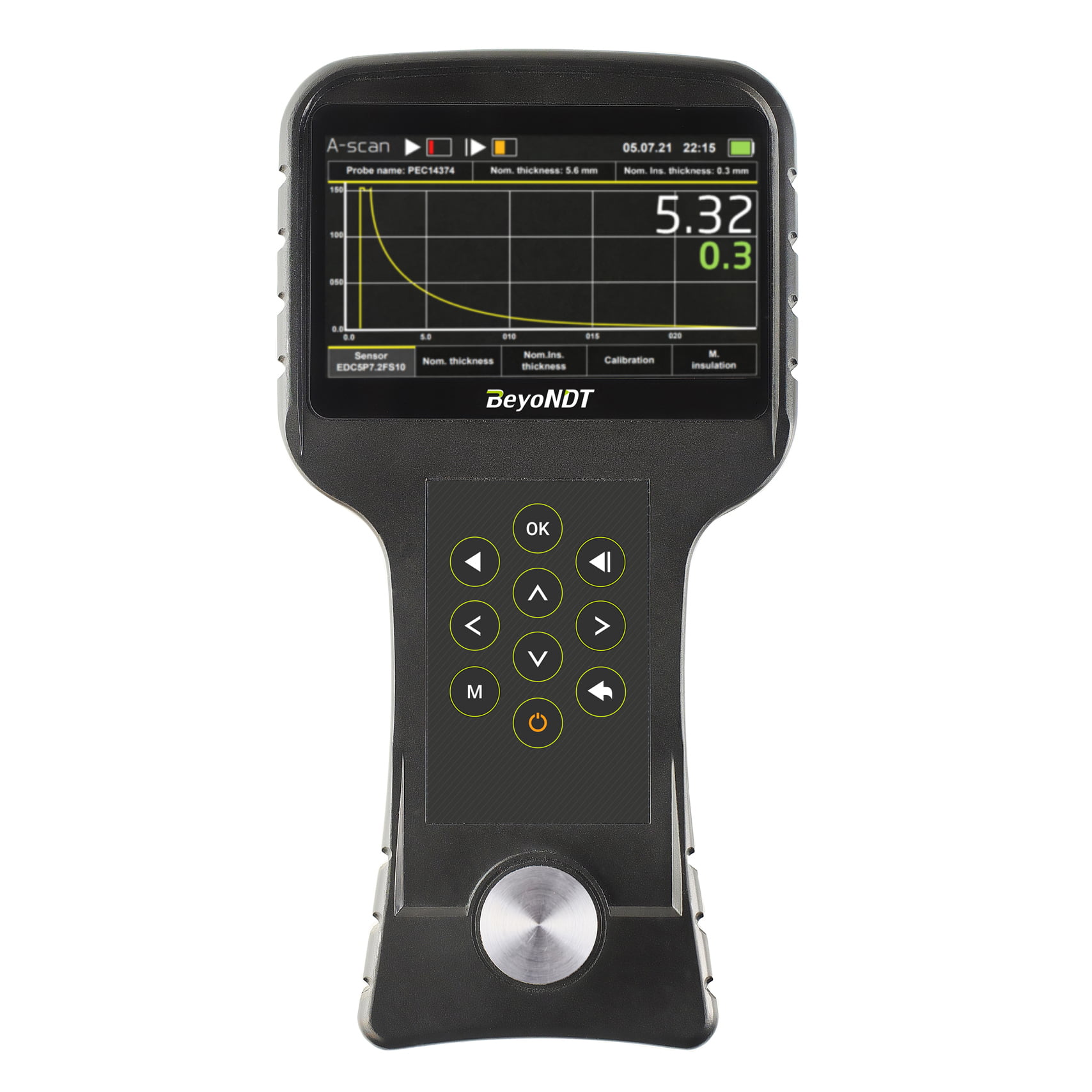
The BEONDT DT1001 pulsed eddy current tester is a portable non-destructive testing device designed for rapid screening of corrosion and thickness reduction in metal structures with insulation or coating layers. The DT1001 is the basic, practical model in BEONDT's pulsed eddy current series, emphasizing rapid on-site screening and cost-effectiveness, making it suitable for industrial users who require regular large-area corrosion surveys. For more complex or higher-precision testing needs, BEONDT tech also offers upgraded models (such as the DT2008) to meet different scenarios.
細節No. 90, Innovation Avenue, Hefei, Anhui, China
 English
 العربية
 русский
 español
 português
 Türkçe
 français
 日本語
日本語 Deutsch
 繁體
繁體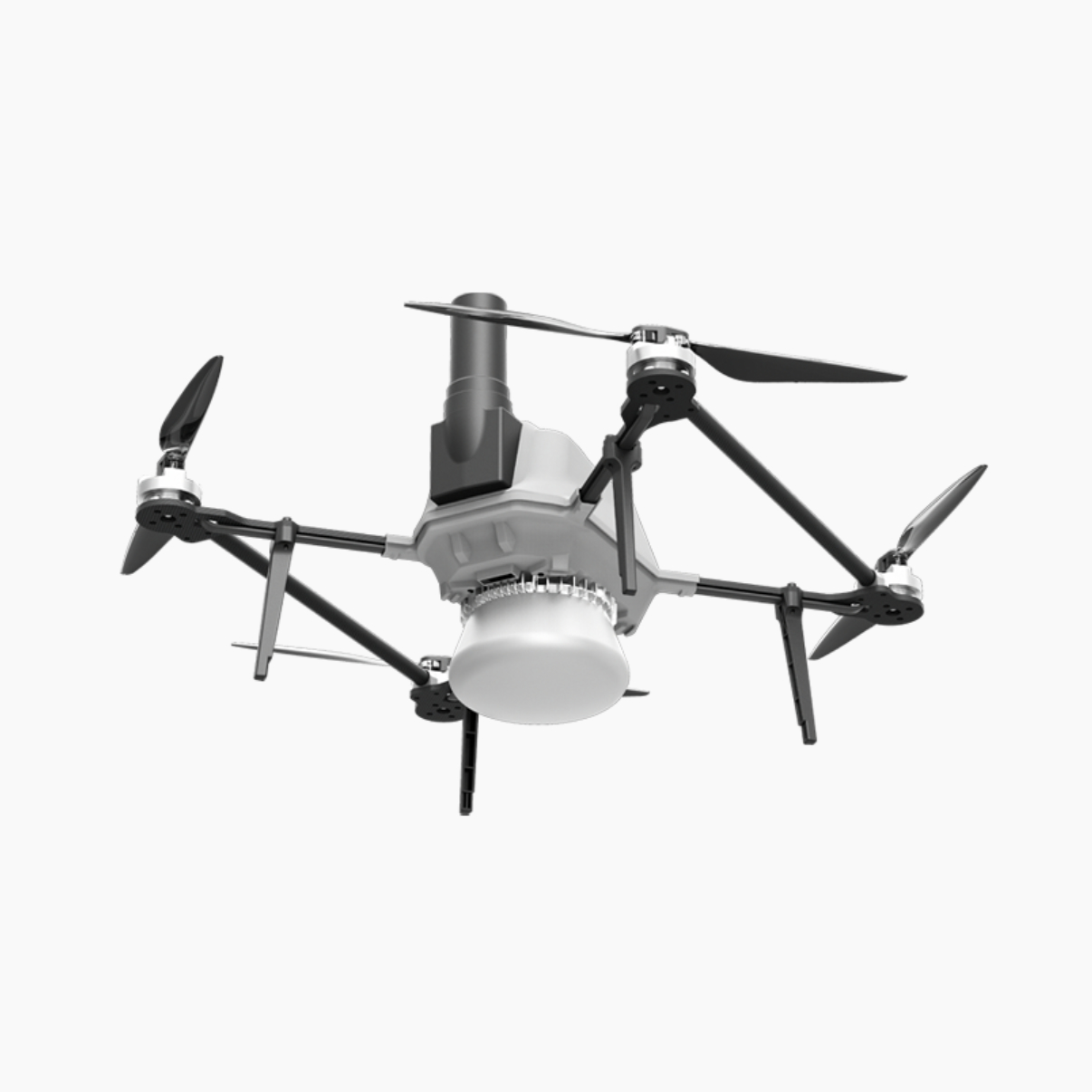



 IPv6 網絡支持